Exploring correlations between participation in no-cost multiplayer digital experiences and improvements in team coordination skills across various age groups in home computing setups
Written by Erik Krause · Nov 27, 2026
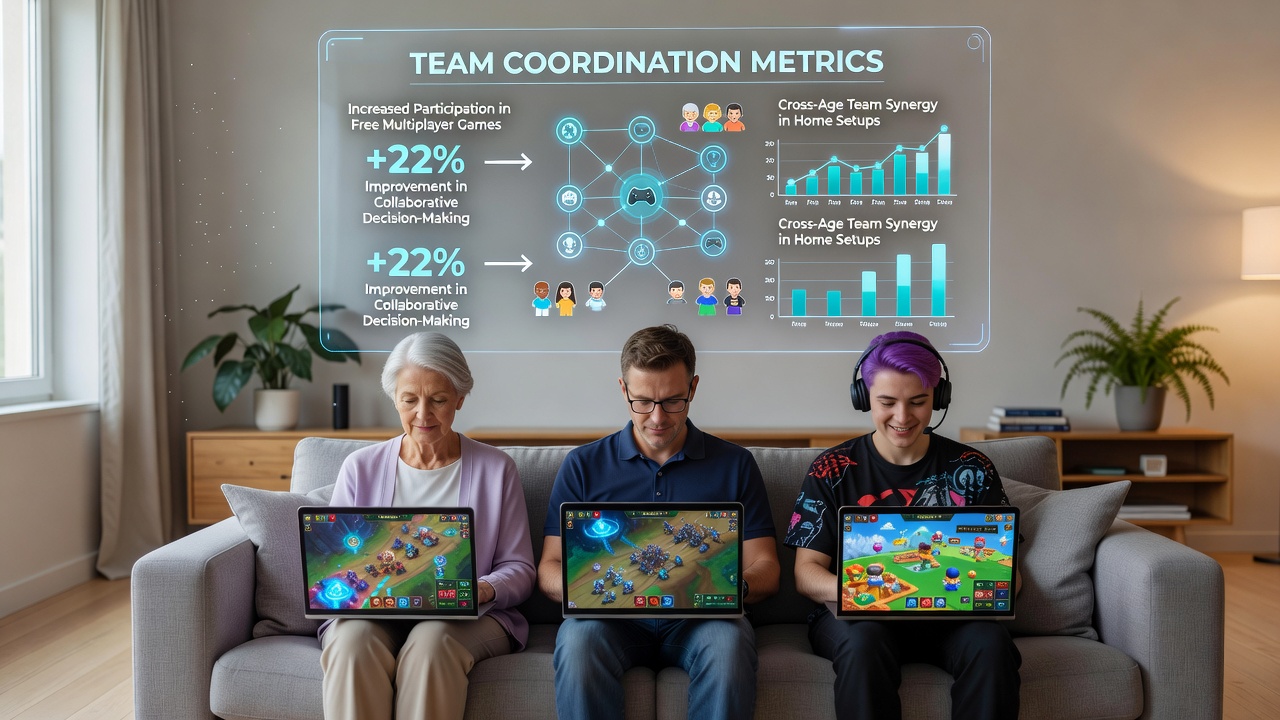
Exploring correlations between participation in no-cost multiplayer digital experiences and improvements in team coordination skills across various age groups in home computing setups
Participation in no-cost multiplayer digital experiences has drawn attention from researchers examining potential links to team coordination skills in home computing environments. Studies conducted across multiple regions track how individuals from different age brackets interact in these platforms while measuring changes in collaborative abilities over time. Data collected through surveys and performance metrics reveal patterns that vary by age group and frequency of engagement.
Patterns in Home Computing Participation
Households equipped with standard desktop and laptop setups provide the primary access point for many users joining these experiences. Observers note that younger participants often log in during evening hours while older groups show activity spread across weekends and early mornings. Figures from industry tracking services indicate steady growth in concurrent users throughout 2026 with November data showing particular spikes during holiday periods when families share devices.
Research indicates that free-to-access formats lower barriers for entry across income levels which allows broader sampling of multiplayer interactions. Those who study digital behavior report that coordination tasks within these experiences frequently involve real-time communication, role assignment, and shared goal tracking. Home networks support these activities through basic broadband connections without requiring specialized hardware.
Evidence from Age-Specific Studies
Analyses covering children aged 8 to 12 highlight improvements in turn-taking and verbal instruction following after regular sessions. University-led projects in Canada document these shifts through pre- and post-participation assessments administered in school settings. Adolescents between 13 and 17 demonstrate measurable gains in strategic planning according to data compiled by European research consortia.
Adult participants aged 25 to 45 exhibit changes in task delegation efficiency when tracked over six-month intervals. Australian government health agencies have incorporated similar metrics into broader wellness surveys that include digital activity logs. Older adults over 55 show slower but consistent progress in spatial awareness and timing synchronization when engaging with simplified interfaces designed for accessibility.
Measurement Approaches and Data Sources
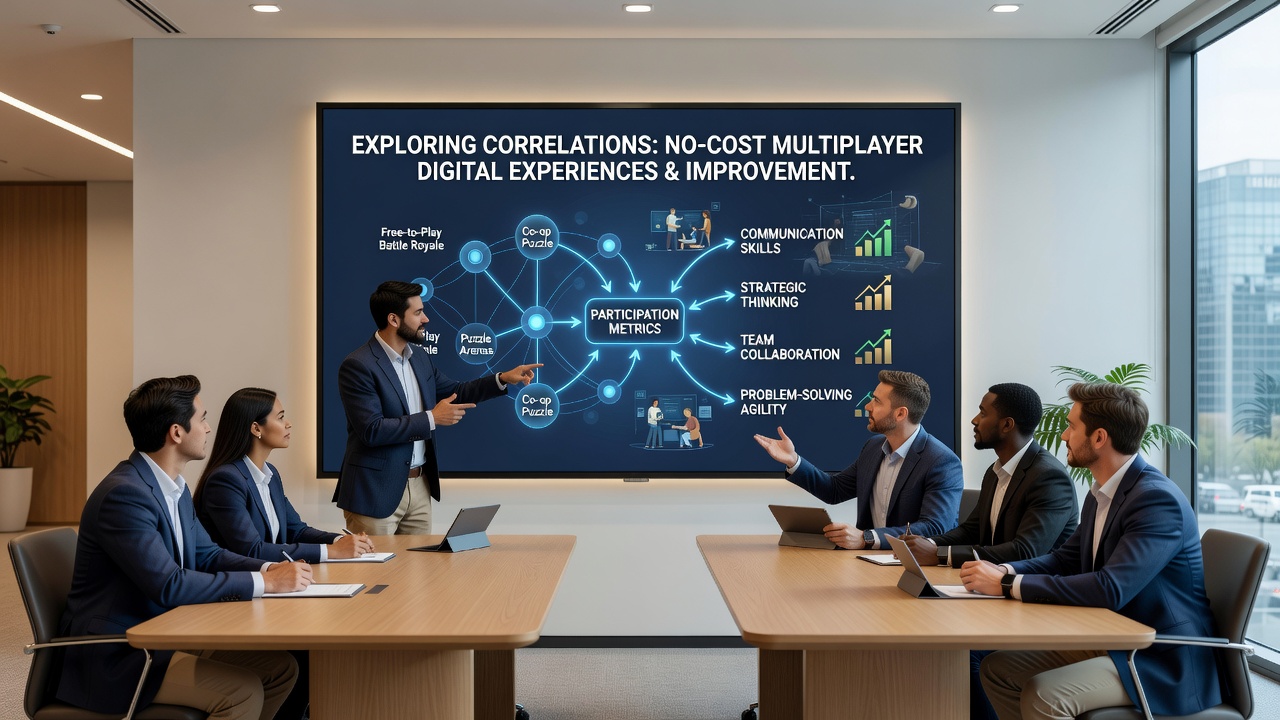
Researchers apply standardized coordination scales adapted from organizational psychology to quantify outcomes. These instruments record response latency, error rates in joint tasks, and frequency of supportive messages exchanged during sessions. Longitudinal designs compare baseline performance against results collected after sustained participation periods.
According to reports from the National Institutes of Health, correlations appear stronger among groups maintaining consistent weekly involvement rather than sporadic access. Statistics released by the European Commission on digital skills development further separate variables such as session duration and group size to isolate contributing factors. Cross-regional comparisons reveal that home-based environments produce similar trends to controlled laboratory settings when variables like internet stability remain constant.
Variables Influencing Observed Correlations
Device type and screen size affect how clearly participants interpret shared visual cues during play. Households using larger monitors record higher accuracy in coordination-dependent challenges. Network latency introduces additional variables that researchers control for when analyzing performance data across different geographic locations.
Demographic factors including prior gaming experience and household composition also shape results. Multi-generational homes sometimes report accelerated skill transfer when younger members assist older relatives with interface navigation. November 2026 updates from Statistics Canada included new modules on household digital dynamics that captured these intergenerational patterns in real time.
Conclusion
Available evidence connects participation in no-cost multiplayer digital experiences with measurable shifts in team coordination metrics across age ranges in home computing contexts. Continued monitoring through established research channels will clarify the strength and direction of these associations as usage patterns evolve. Data collection efforts scheduled for subsequent years aim to expand sample sizes and refine measurement tools for greater precision.